
A comprehensive fall tire maintenance checklist involves monitoring air pressure as temperatures drop, inspecting tread depth for traction, and checking sidewalls for signs of irregular wear. Because tires lose approximately one psi for every ten degrees of temperature decrease, regular inspections are essential to ensure vehicle safety and prevent TPMS warnings on Delaware roads.
As the morning air turns crisp across Delaware, many drivers encounter a frustrating autumn ritual. You start your vehicle only to be greeted by the persistent, amber glow of the tire pressure warning light. This sudden change is more than a minor inconvenience; it is a physical response to shifting temperatures that directly impacts your safety on the road. The transition from humid summer heat to chilly October nights compromises inflation levels and exacerbates existing wear. Ignoring these signs leads to decreased traction on wet leaves and poor handling during early morning frosts. In this guide, our experts explain the physics behind seasonal pressure drops and the importance of professional alignment. You will learn a practical, five step checklist designed to optimize your tires for the changing conditions in New Castle and beyond.
Why Fall is the Most Critical Season for Tire Maintenance in Delaware
Fall in New Castle signals a significant transition for local drivers. As the sweltering humidity of a Delaware summer gives way to the first frost, typically arriving in late October, your vehicle faces a unique set of stressors. This temperature swing directly impacts tire performance because rubber compounds react to the cold by hardening, which can reduce traction exactly when you need it most.
Northern Delaware roads present specific hazards during this season. Wet, leaf covered pavement along the I-95 corridor or through local wooded neighborhoods can be deceptively slick, often mimicking the low friction of ice. Maintaining maximum grip is essential for safe braking and cornering in these conditions.
A proactive tire maintenance checklist is your best defense against the unpredictable nature of autumn weather. Addressing potential issues now prevents common roadside emergencies that often occur during the season's first major storm. By seeking professional tire maintenance near me before the mercury stays below freezing, you ensure your vehicle is equipped to handle everything from slick foliage to early morning black ice. Preparation is not just a convenience; it is a critical safety measure for every driver in the New Castle area.
The Physics of Pressure: Why Your Tire Light Comes On in October
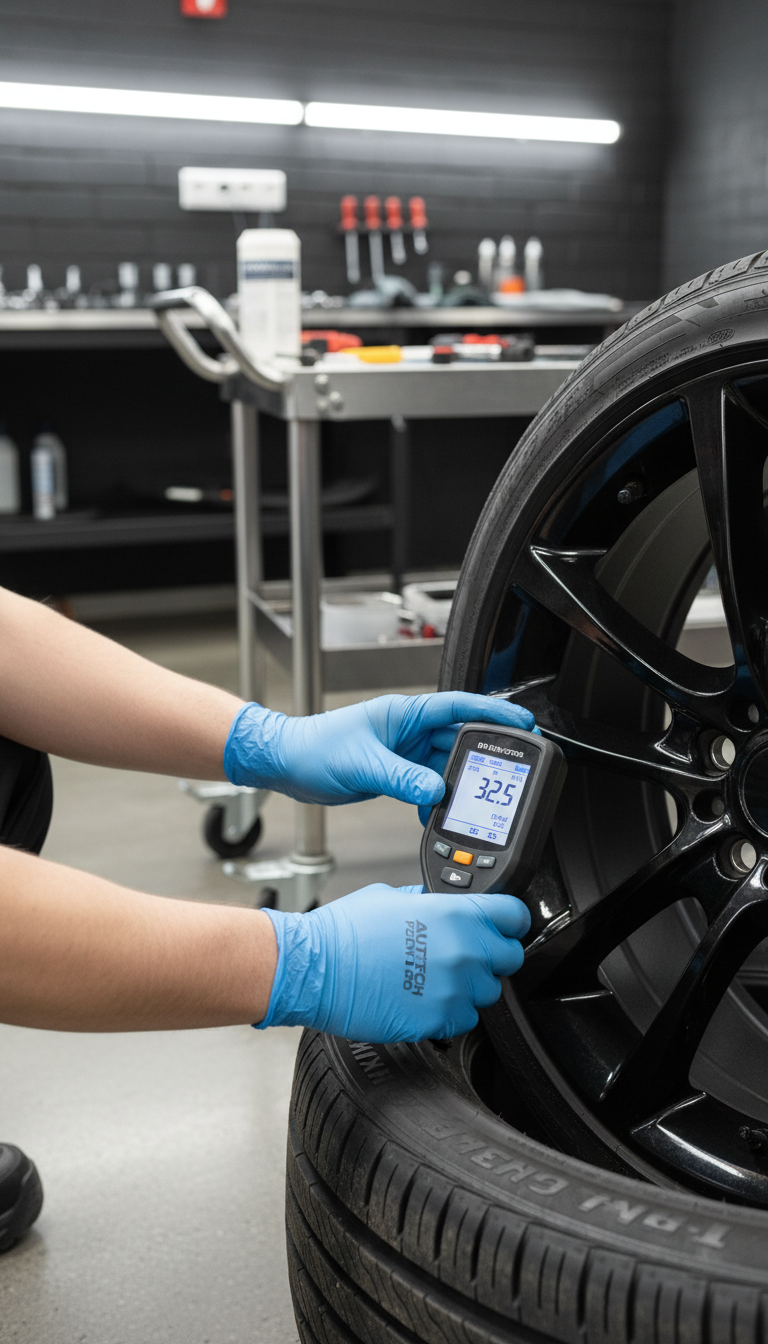
As Delaware mornings turn crisp, many New Castle drivers notice a familiar amber icon on their dashboard. This illumination is rarely a coincidence; it is a direct result of atmospheric changes. The primary reason tire pressure drops in cold weather is simple physics. As the air inside your tires cools, the molecules move more slowly and occupy less volume, leading to a decrease in internal pressure. A reliable rule of thumb used by our technicians is that for every 10 degree Fahrenheit drop in ambient temperature, your tire pressure will decrease by approximately 1 PSI. In a region like New Castle County, where October can see a swing from 70 degree afternoons to 40 degree nights, a 3 PSI drop happens almost overnight.
A common question we hear at the shop is, "Will my tire pressure go back up when it warms up?" While the air temperature inside the tire does increase through friction as you drive, this temporary rise does not compensate for the lower seasonal average. Relying on heat from driving to fix the pressure is risky, as the tire remains under-inflated during those initial miles when you need the most stability. Furthermore, as the sun sets and the pavement cools, that pressure will inevitably drop back down.
To get an accurate reading, always check your pressure in the morning before the vehicle has been driven. This ensures you are measuring the cold pressure, which is the standard used for manufacturer recommendations found on your door jamb. If your levels remain low after adjustment, it may be time for professional tire repair to rule out slow leaks or TPMS service to ensure your sensors are functioning correctly. Keeping these levels optimized is a foundational step in any effective tire maintenance checklist.
Tread Depth and Traction: Navigating Wet Leaves and Early Frost

Maintaining adequate tread depth is the difference between controlled braking and a dangerous skid when navigating a sudden downpour on Route 13. While many drivers wait until their tires are bald to consider a replacement, Delaware’s rainy autumn demands a higher standard. You can evaluate your remaining rubber using two common coins: the penny and the quarter.
The penny test identifies the legal minimum of 2/32 inch. If you place a penny into the tread groove with Lincoln’s head facing down and can see the top of his head, your tires are legally worn out. However, for the wet, leaf covered surfaces common on I-95, the quarter test is a far safer benchmark. A quarter measures 4/32 inch. If Washington’s head is entirely visible, your tires lack the necessary channel depth to evacuate water and debris effectively.
Wet leaves are a specific hazard in New Castle County; they often become as slippery as black ice when compressed by tires. Relying on the absolute legal minimum is a gamble during peak foliage season. Professional tire maintenance is about more than just passing an inspection; it is a critical component of a seasonal tire maintenance checklist designed for safety. If your tires fail the quarter test, seeking tire maintenance near me for a professional evaluation ensures you are prepared for the transition from rain to early morning frost.
The Fall Tire Maintenance Checklist: 5 Essential Steps
Establishing a routine ensures your vehicle remains reliable as the seasons change. Using a comprehensive tire maintenance checklist allows you to identify minor issues before they escalate into costly repairs or safety hazards during a New Castle winter.
1. Verify Pressure in All Five Tires Checking the four tires on the ground is standard, but the spare is often overlooked. When people ask, "What is the most neglected car maintenance?" the answer is frequently the spare tire. A spare that has sat for years without a pressure check will likely be flat when you need it most. Ensure all tires, including the spare, meet the PSI specifications listed on your driver side door jamb.
2. Conduct a Formal Tread Depth Inspection Use a dedicated tread depth gauge or the quarter test to ensure you have at least 4/32 inch of tread. This depth is vital for maintaining contact with the road when navigating the slush and heavy rain typical of Delaware autumns.
3. Examine Sidewalls for Heat Damage High Delaware humidity and summer heat can accelerate dry rot. Inspect the sidewalls for fine cracks, bulges, or discoloration. If the rubber appears brittle or shows "weather checking," the structural integrity is compromised and requires immediate professional tire repair or replacement.
4. Inspect Valve Caps and Stems Valve caps are your primary defense against road salt, dirt, and moisture entering the valve core. Missing caps allow debris to grit the seal, while moisture inside the stem can freeze and cause a slow leak. Replacing cracked or missing caps is a simple yet effective way to maintain pressure stability.
5. Schedule a Professional Rotation and Balance Regularly scheduled rotations prevent the front tires from wearing out prematurely due to steering and braking forces. If you feel a vibration in the steering wheel at highway speeds, your tires may be out of balance. Seeking tire maintenance near me for a professional rotation ensures the wear is spread evenly across all four tires, extending their usable life.
Tire Rotation and Alignment: Correcting Summer Wear
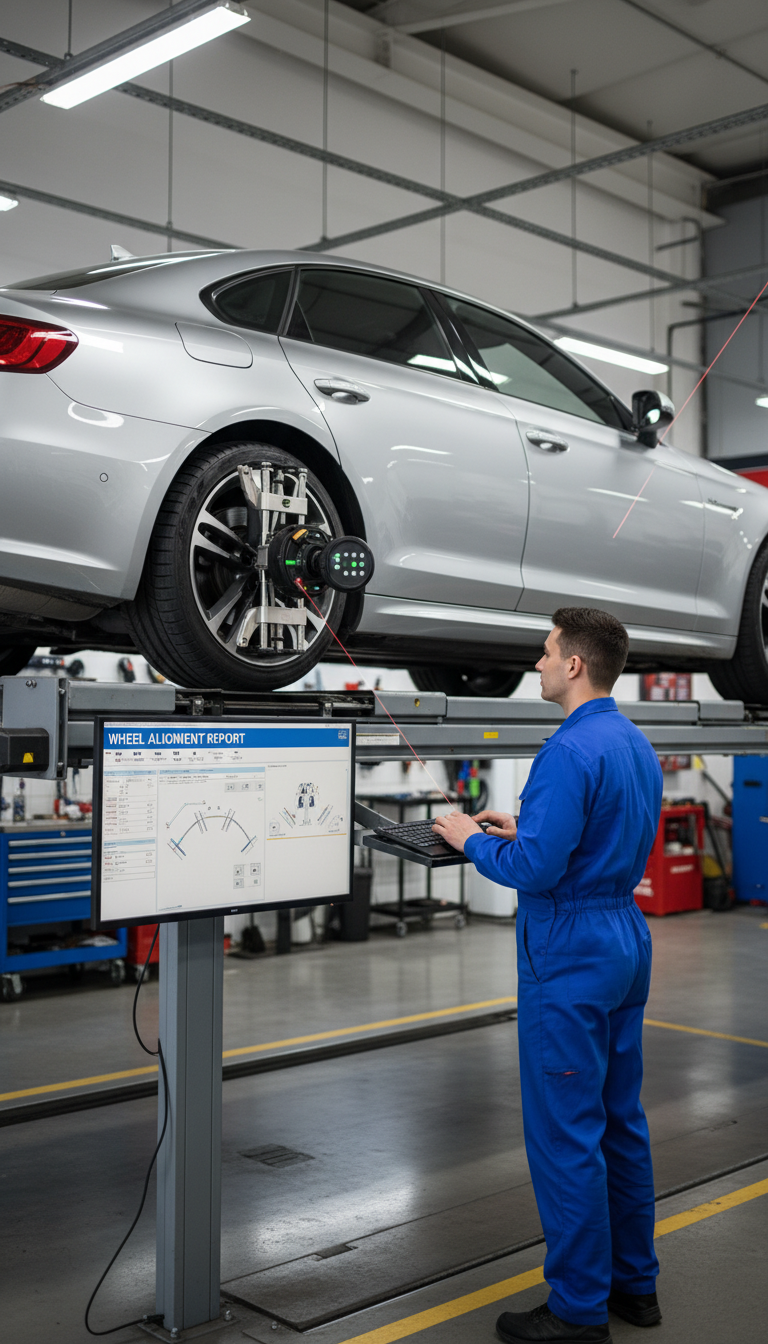
Summer road trips to the Delaware beaches often leave a lasting mark on your vehicle's tires. The sustained heat of the asphalt and the high mileage accumulated during trips down to Rehoboth or Lewes can lead to significant uneven wear. As a critical part of a thorough tire maintenance checklist, we recommend a rotation every 5,000 to 7,500 miles. This practice ensures that the front tires, which handle the majority of steering and braking forces, swap positions with the rear tires to promote uniform tread life and maintain handling balance.
This service is a pillar of the traditional 30-60-90 rule for automotive maintenance. While these intervals often highlight fluids and belts, tires remain a core component of these major service milestones because their condition dictates both safety and fuel efficiency. Furthermore, if your summer travels involved hitting a deep pothole or if you noticed the steering wheel pulling to one side during a highway cruise, a professional alignment check is vital. Misalignment causes rapid, irregular wear that can compromise your tires before the first snow falls. Scheduling tire maintenance near me now allows our technicians to correct these summer stressors, ensuring your vehicle tracks straight and wears evenly through the upcoming season.
Understanding Your Tire Pressure Monitoring System (TPMS)
Drivers often ask, "Why is my tire losing pressure but no leak?" In the New Castle climate, this is frequently a result of seasonal air contraction rather than a puncture. When the temperature drops, the air density changes, triggering the TPMS light even if the tire is structurally sound. However, if one tire consistently registers lower than the others or requires weekly refills, it signals a legitimate slow leak or a failing sensor that requires TPMS service or professional tire repair.
When adjusting your levels, look at the placard on the driver side door jamb for the manufacturer's recommended cold PSI. A common mistake is inflating to the "Max PSI" listed on the tire sidewall; this number represents the tire's maximum load capacity, not the optimal pressure for your vehicle's handling and safety. Over-inflating to the sidewall maximum can lead to a harsh ride, reduced traction, and accelerated center-tread wear.
After you have reached the correct pressure, many modern vehicles require a manual reset of the TPMS via the dashboard menu or a specific button located under the steering column. If the light remains illuminated after a short drive at speeds above 20 mph, the system may have a malfunctioning sensor or a deeper calibration issue that should be evaluated as part of your seasonal tire maintenance checklist.
Professional Fall Tire Service at Limitless Tires in New Castle
Limitless Tires serves as the local authority for comprehensive tire maintenance near me in the New Castle area. Our technicians bring a minimum of five years of specialized experience to every vehicle, ensuring that subtle issues like rim corrosion or hairline sidewall cracks are identified before they lead to a breakdown near the Christiana Mall. We provide real time inventory visibility through our online platform, allowing you to confirm that the specific tires you need are in stock before you arrive for your appointment.
If your fall inspection reveals that your current set cannot safely navigate another season of Delaware weather, we simplify the replacement process. Located conveniently near the New Castle County Airport, our shop offers specialized winter tire installation and professional tire repair to keep your commute predictable. By integrating advanced diagnostics with a high standard of mechanical expertise, we ensure your vehicle exceeds the requirements of any tire maintenance checklist. Our commitment to premium service guarantees that your vehicle is fully prepared for the first frost and the freezing temperatures that follow.
As Delaware temperatures begin to drop, staying ahead of your tire maintenance is the best way to ensure safety on the road. Proper pressure and healthy tread depth are your first lines of defense against unpredictable fall weather. If you want expert help preparing your vehicle for the coming months, our team is here to assist with professional inspections and advice. You can also shop tires online to find the perfect set for the season, ensuring your car remains reliable regardless of the conditions.