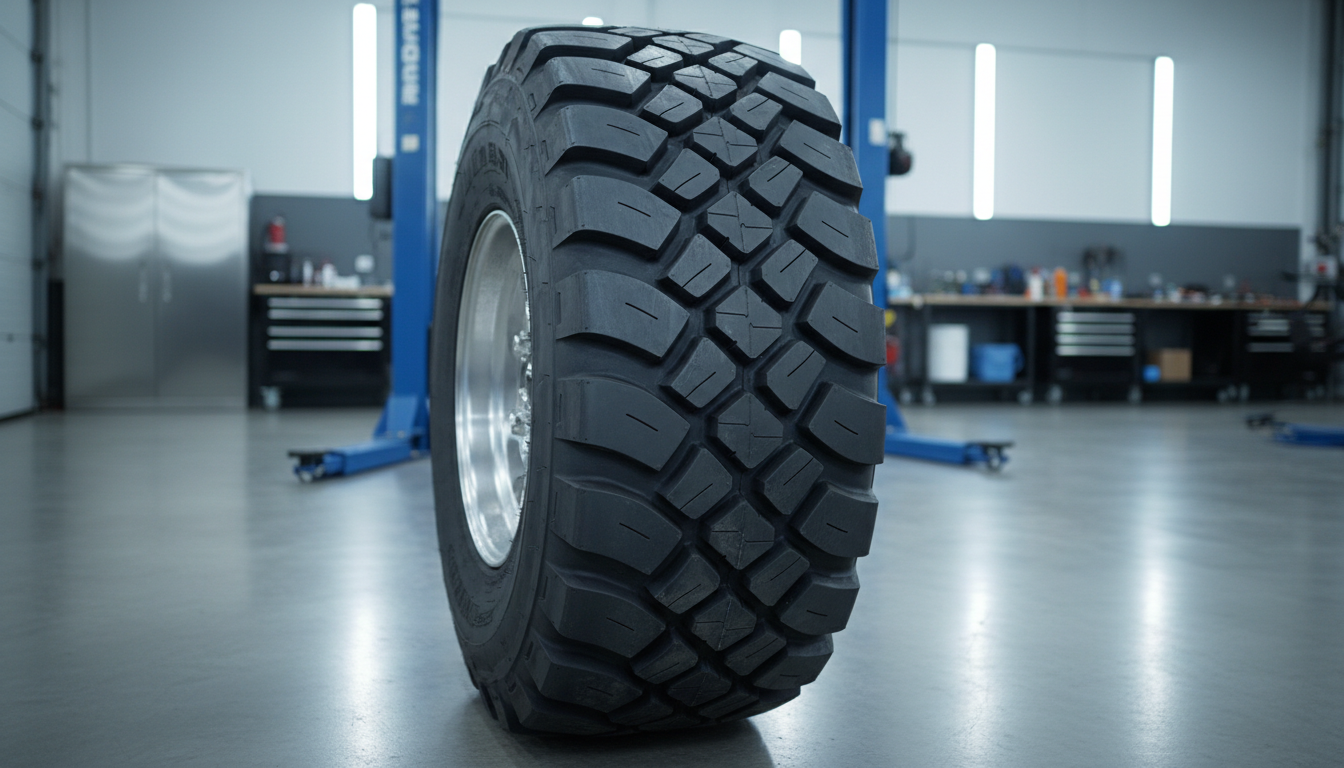
Common tire wear signs include tread depth falling below 2/32 of an inch, visible sidewall cracks, and unusual bulges or blisters. Drivers can identify these issues using the penny test or by spotting uneven patterns that indicate misalignment or improper inflation. If your vehicle experiences excessive vibration or reduced traction on wet roads, it is likely time to replace your tires to ensure road safety.
Navigating Delaware’s unpredictable weather requires more than just a reliable engine; it demands absolute confidence in your vehicle’s connection to the road. You may have noticed your car sliding slightly during a rainy commute or felt an unusual vibration through the steering wheel, both of which are common symptoms of compromised tire integrity. Neglecting these signals does more than decrease fuel efficiency; it actively puts your safety at risk during critical maneuvers. This guide provides a comprehensive look at the visual red flags that demand your attention. We will explore the specific legal tread depth requirements for Delaware drivers, demonstrate practical DIY measurement techniques using spare change, and explain what uneven wear patterns reveal about your alignment. Understanding these essentials ensures you remain in control, regardless of the road conditions ahead.
Understanding the Delaware Legal Minimum for Tire Tread Depth

In Delaware, the standard for roadworthiness is clearly defined by state law. According to 2 Del. Admin. Code § 2287, 11.0, any passenger vehicle must maintain a minimum tread depth of 2/32 inch to pass a state safety inspection. If your tires are worn below this threshold, your vehicle is legally considered unsafe for operation on public roads. Local inspectors in New Castle do not just look at the depth; they also scrutinize the rubber for specific tire wear signs like bald patches, exposed fabric or ply, and deep cuts that compromise the casing.
While 2/32 inch is the mandatory legal floor, it is critical to distinguish between passing a government inspection and maintaining actual road safety. A tire that barely meets the legal minimum may pass the test at the DMV, but it will struggle significantly to displace water. For drivers navigating I-95 during a sudden summer thunderstorm, that thin layer of remaining tread can be the difference between maintaining grip and experiencing dangerous hydroplaning.
We recommend that you shop for new tires well before you hit the absolute legal limit. Waiting until your tires are legally bald compromises your braking distance and handling, especially on the wet, variable surfaces common in New Castle County. If you are unsure if your current tread meets the state requirements, you should schedule a tire inspection with an experienced technician to ensure your vehicle remains both compliant and safe.
Visual Tire Wear Signs You Should Never Ignore
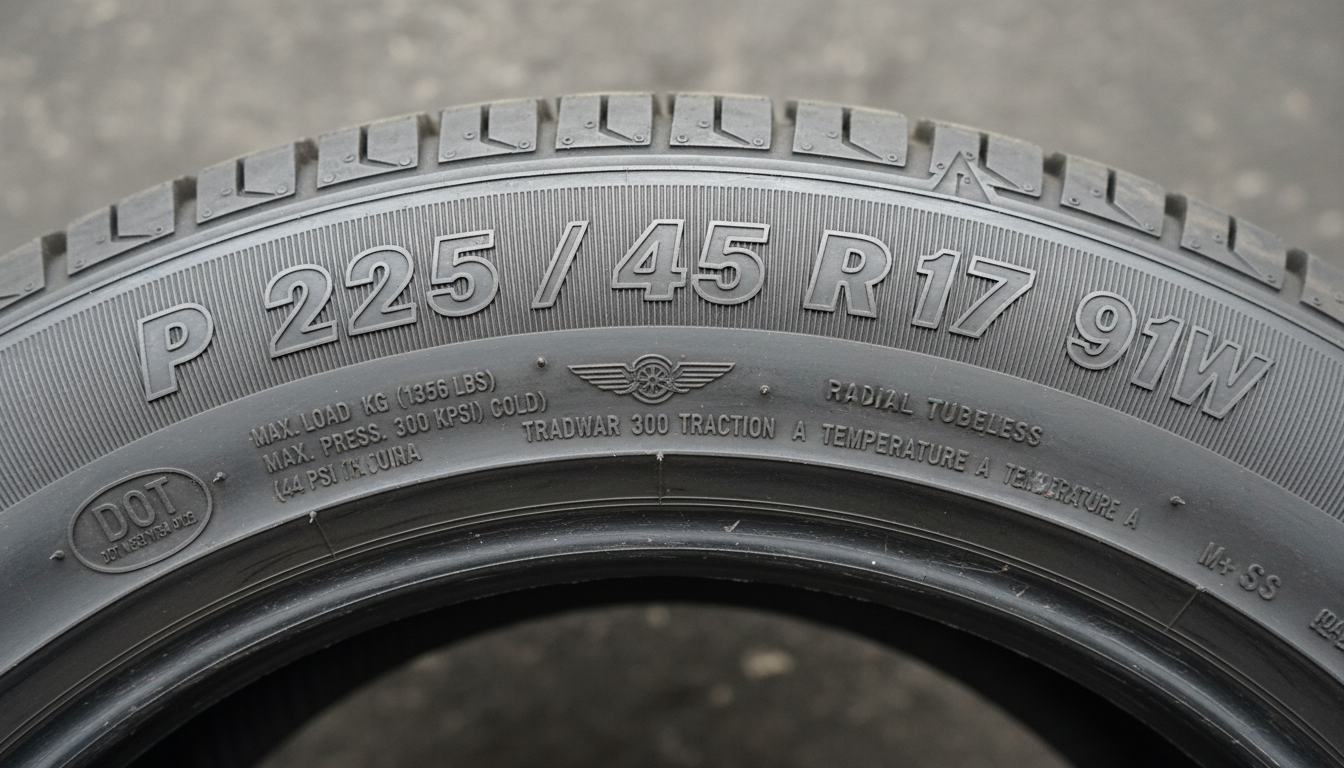
Understanding the legal minimum is only half the battle. Many critical tire wear signs are visible to the naked eye even before the tread is technically bald. Beyond the measurements, you must look for structural compromises that could lead to catastrophic failure on the road.
Sidewall cracks, often referred to as dry rot, appear as small fissures or spiderwebbing in the rubber. These occur when the compounds in the tire break down due to age, intense UV exposure, or infrequent use. While small cracks might seem cosmetic, they indicate the rubber is losing its elasticity and strength. If these cracks deepen or expose the internal cords, the tire is no longer safe to carry the weight of your vehicle, especially at highway speeds.
Bulges or blisters on the sidewall are far more urgent. These localized protrusions indicate that the internal structure, or carcass, of the tire has failed; often due to hitting a curb or one of the deeper potholes found on Delaware backroads. Unlike a puncture that might be eligible for tire repair services, a bulge represents a permanent structural weakness that cannot be fixed. This is a true emergency that requires you to schedule a tire inspection at our New Castle shop immediately. Driving on a bulging tire risks a sudden, high-speed blowout.
Finally, pay close attention to the wear bars. These are the small, raised bridges of rubber molded into the base of the tread grooves, running perpendicular to the tread ribs. As the rubber wears down, these bars become more prominent. When the tread surface sits flush with these bridges, the tire has reached the 2/32 inch limit and is legally bald. At this stage, the tire loses its ability to channel water, making it virtually useless in wet conditions. If you notice these indicators, it is time to look at transparent pricing for installations and secure a fresh set of rubber before the next rainstorm hits New Castle County.
How to Check Tire Tread Depth with a Penny, Quarter, or Nickel
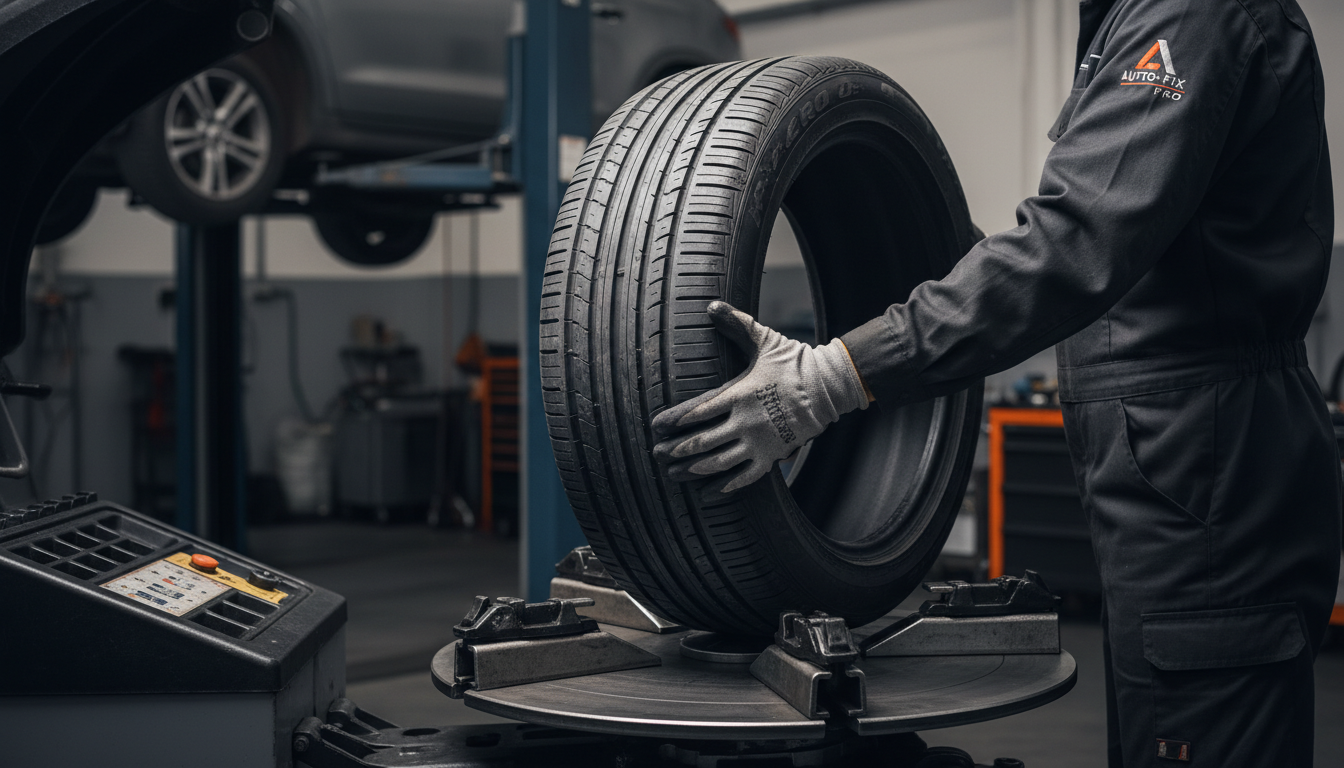
While visual tire wear signs like cracks or bulges are obvious, measuring tread depth requires a more structured approach. You do not need a professional depth gauge to perform a quick diagnostic; common pocket change provides a reliable benchmark for specific safety thresholds.
Place a penny into several tread grooves around the tire with Lincoln’s head upside down and facing you. If you can see the top of Lincoln’s head, your tread is at or below 2/32 inch. In Delaware, this means you have reached the absolute legal limit and should shop for new tires immediately to remain road-legal.
For a more conservative safety margin, use a quarter. Repeat the process with Washington’s head upside down. If the tread does not reach the top of his head, you have less than 4/32 inch of tread remaining. This is the critical threshold for maintaining traction on wet New Castle roads; once you drop below this level, the risk of hydroplaning increases significantly during heavy rain.
If you are preparing for winter weather, use a nickel to check Jefferson’s head. If the tread does not cover the top of his head, you have less than 5/32 inch. This depth is the recommended minimum for navigating slush and snow effectively. Always test in at least three locations across the tire: the inner edge, the center, and the outer edge. If these measurements vary between the different ribs of the tire, you should schedule a tire inspection to address underlying alignment or inflation issues before the rubber wears down prematurely.
Interpreting Uneven Tire Wear Patterns
While the coin test reveals how much rubber remains, the specific way that rubber wears serves as a diagnostic tool for your vehicle’s mechanical health. If you notice the tread is significantly lower in the center of the tire than on the shoulders, your tires are likely over-inflated. This pressure forces the center of the tire to bulge, concentrating the vehicle weight on a narrow contact patch and reducing overall grip. Conversely, if both the inner and outer edges are heavily worn while the center remains deep, the tires are under-inflated. This causes the tire to flatten against the road, generating excess heat that can lead to internal structural failure.
Uneven wear on just one edge, either the inner or the outer, is a classic indicator of alignment issues. In New Castle, striking a curb or a deep pothole can easily knock your suspension out of specification, causing the tire to lean at an incorrect angle. Another distinct and concerning pattern is cupping or scalloping, which appears as rhythmic, scooped out dips in the tread. This specific tire wear signs pattern usually points to worn out shocks or struts that allow the tire to bounce excessively on the pavement rather than maintaining consistent contact.
Delaware roads, particularly those prone to winter freeze-thaw cycles and frequent construction, accelerate this type of suspension damage. If you identify these irregular patterns, you should schedule a tire inspection immediately. Installing a new set without addressing the underlying alignment or suspension fault will only lead to premature wear on your next investment. To understand the costs associated with corrective action, you can review our transparent pricing for installations and related mechanical services.
The Safe Tread Threshold for Delaware Weather Conditions
While diagnostic patterns reveal mechanical issues, the absolute tread depth determines how your vehicle reacts to Delaware’s coastal climate. New Castle experiences frequent heavy rain and winter slush, conditions where the 2/32 inch legal minimum offers inadequate protection. At the legal floor, a tire has almost no capacity to evacuate water, which dramatically increases the risk of hydroplaning during a sudden summer storm.
Professional safety standards recommend the 4/32 rule for rain and the 5/32 rule for snow. When you identify tire wear signs that indicate your tread has reached 4/32 inch, you should proactively shop for new tires rather than waiting for a state inspection failure. There is often confusion regarding a 3 rule or 3% rule in online searches; however, these typically refer to the 3/32 inch mark, which experts consider the point of significant performance degradation.
Maintaining at least 4/32 inch ensures shorter stopping distances and better lateral grip on wet asphalt. If your coin tests suggest you are approaching these safety thresholds, you should schedule a tire inspection to get a professional measurement. Our technicians can verify your depth and ensure your vehicle is prepared for the variable conditions of a Delaware nor'easter.
When to Visit Limitless Tires for a Professional Inspection
While DIY tests offer a baseline, professional evaluation provides the data necessary for total road confidence. Our technicians in New Castle bring at least five years of specialized experience to every vehicle. We move beyond the penny test by using precision depth gauges that provide accurate readings to the thirty-second of an inch. During a visit, we investigate secondary tire wear signs that a casual inspection might miss, such as unusual steering wheel vibrations or persistent Tire Pressure Monitoring System (TPMS) warnings. These symptoms often indicate internal belt separation or slow leaks that require immediate intervention.
As we prepare for our grand opening on October 3, 2026, Limitless Tires is inviting New Castle drivers to experience our high-standard service firsthand. We will be offering comprehensive tire health checks to ensure your vehicle is ready for the upcoming season. You can browse our real-time inventory to shop for new tires or schedule a tire inspection through our online portal to see exactly when our bays are open. If we detect a fixable puncture rather than terminal wear, we provide professional tire repair services to extend the life of your rubber. By checking transparent pricing for installations ahead of time, you can make an informed decision about your vehicle's safety without any surprises.
Keeping a close eye on your tread depth and wear patterns is essential for maintaining safety and performance on Delaware roads. While these simple inspections go a long way, knowing when to replace your tires can sometimes feel like a challenge. If you want expert help determining the best options for your vehicle, our team is ready to assist you. You can shop tires to explore our current selection or visit us for a professional assessment. We are here to ensure you drive with confidence and peace of mind.